Parking guide
How to challenge a private parking charge in the UK
Updated 20 October 2026
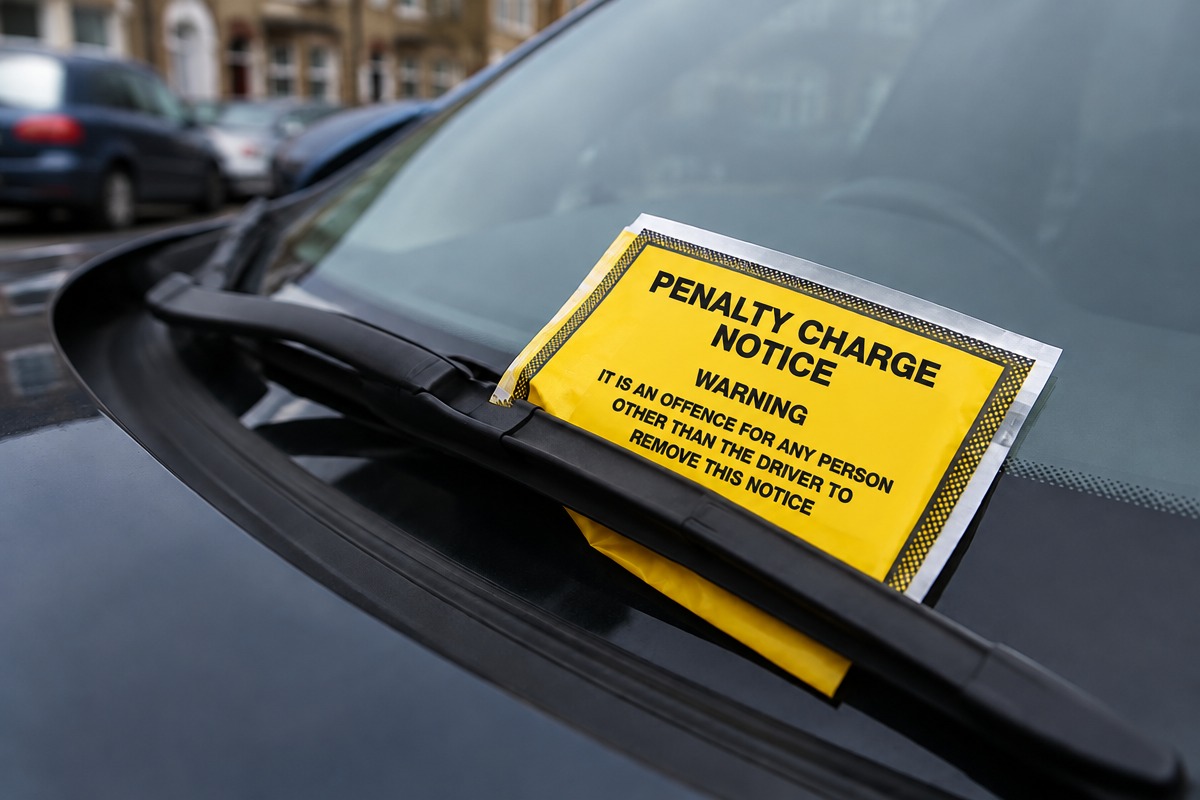
Receiving a private parking charge can be stressful, but you have clear rights to challenge it. This guide explains the process step by step.
Step 1: Check who issued it
Look at the letterhead. A private company issues a 'Parking Charge Notice'; a council issues a 'Penalty Charge Notice'. This guide covers private charges.
Step 2: Check the details
- Is the vehicle registration correct?
- Do the date, time and location match?
- Was the notice sent to the registered keeper within the required time if it arrived by post?
Step 3: Collect evidence
- Photos of signage – especially if signs were unclear, hidden or missing.
- Receipts, app confirmations or bank statements.
- Any evidence of mitigating circumstances.
Step 4: Appeal to the operator
Appeal within the deadline, usually 28 days. Be factual and concise. Many operators freeze the early payment discount while an appeal is considered.
Step 5: Independent appeal
If rejected, use the independent service named in the rejection – POPLA or the IAS. These services are free to use.
Free and paid help
You can appeal entirely by yourself for free. Some specialist companies offer paid help preparing appeals. If you use one, check the fees and what happens if the appeal is unsuccessful.
MyParkedCar is an information and referral website. Parking bookings and specialist services are provided by third parties.